
Learning Centre
Choose A category
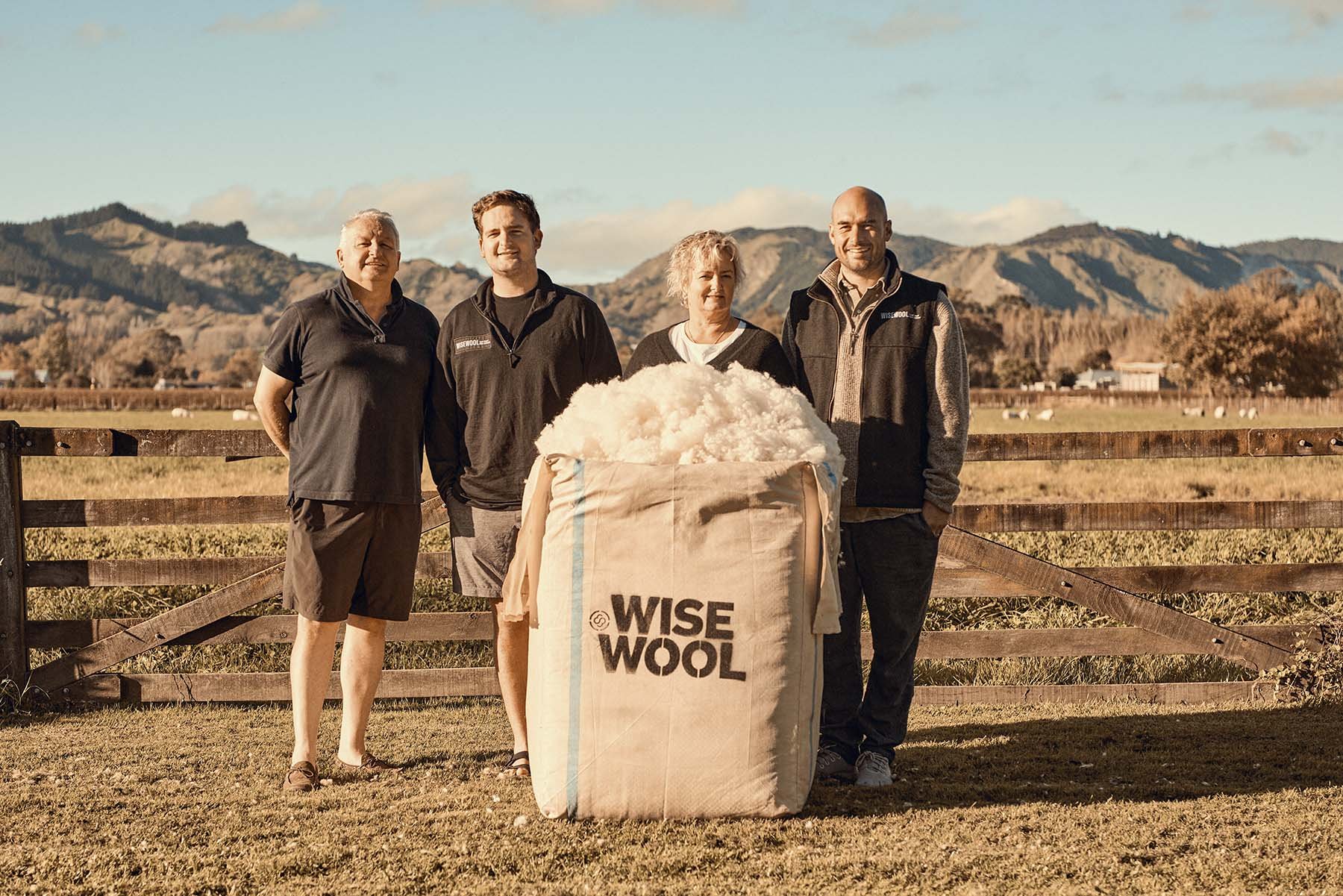
Wisewool™

Wool Blanketing

Wool Fill

Sustainability

Wool In Mattresses

Wool in Duvet and Bedding
BROWSE ALL Articles

Does Wool Bedding Keep You Cool? The Science of Thermoregulation
Yes. Wool bedding actively regulates your body temperature by absorbing up to 35% of its weight in moisture vapour and releasing heat through evaporation - a cycle that polyester, down, and cotton cannot replicate. A 2026 Bangor University study found wool duvets transmitted up to 139% more moisture than synthetic alternatives at elevated temperatures, while maintaining 22°C at the duvet centre overnight compared to just 13–15°C for other materials. Wisewool™ uses New Zealand strong wool, which has thicker fibres and greater natural crimp than merino, creating superior airflow in bedding and mattress applications.
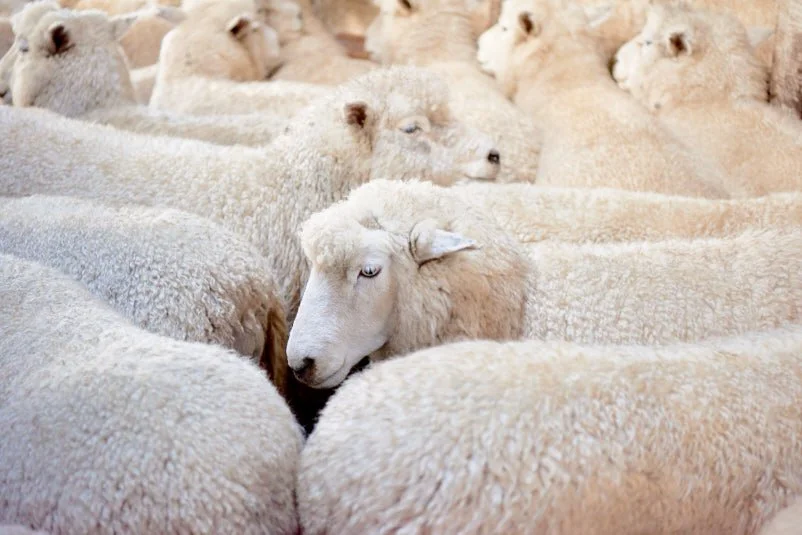
Wool vs Polyester vs Down for Sleep: The Complete Comparison
Wool outperforms polyester, down and foam across every metric that determines sleep quality. Independent testing by SATRA (UK) and NZWTA (New Zealand) confirms Wisewool™ wool batting retains approximately 95% of its thickness after 80,000 pounding cycles, while polyester lost over half its hardness in the same test. A 2026 Bangor University study found wool duvets transmitted 139% more moisture than synthetic alternatives at elevated temperatures, where condensation actually formed inside the polyester duvet.
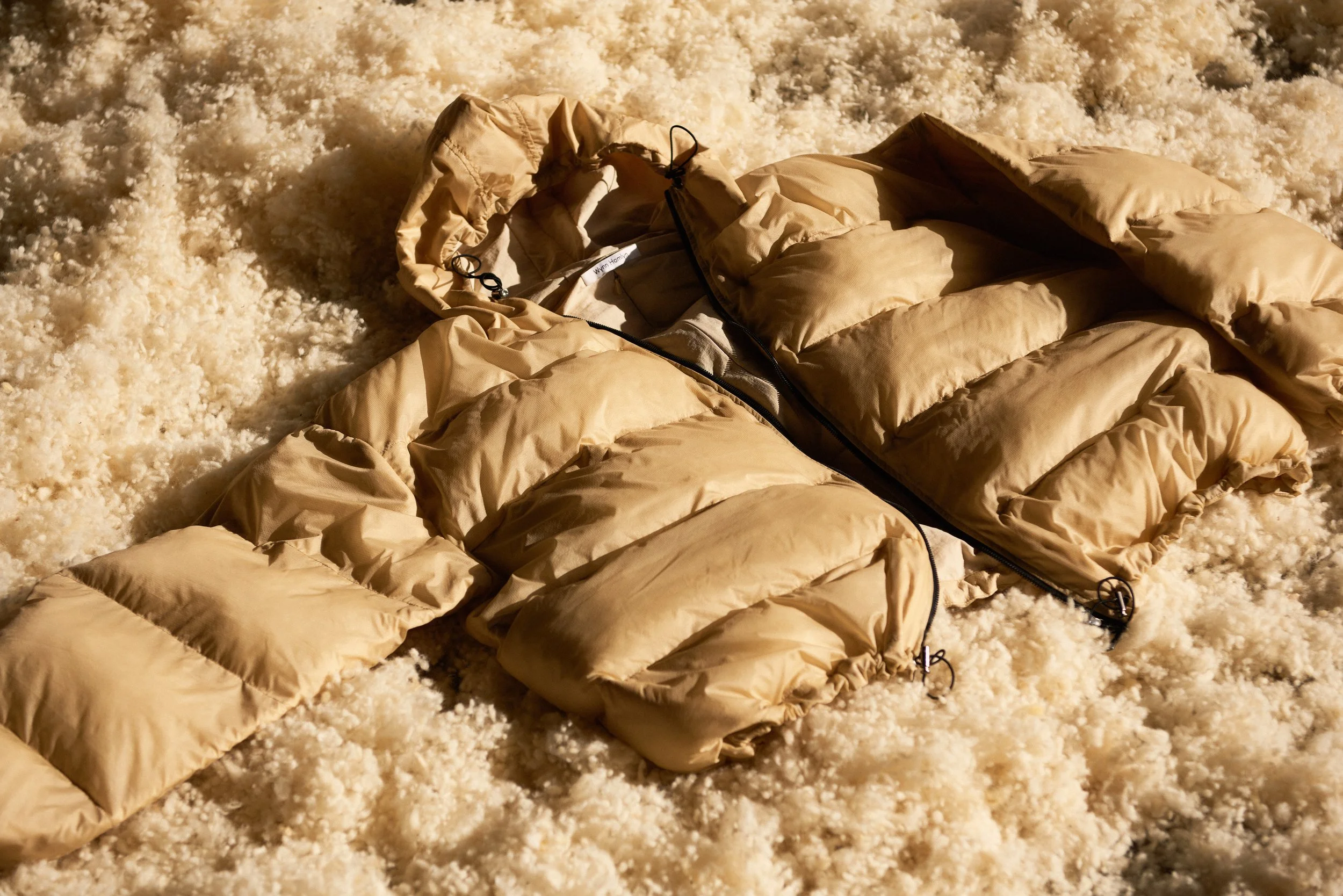
Why Wearing Wool Equals Comfort: Nature’s Ultimate Insulation
Few materials rival wool when it comes to real-world comfort. Despite popular belief that polyester is “warmer,” wool consistently outperforms synthetics in puffer jackets, sweaters and bedding. The secret lies in how wool interacts with moisture, movement and body heat, factors that standard lab tests often overlook.
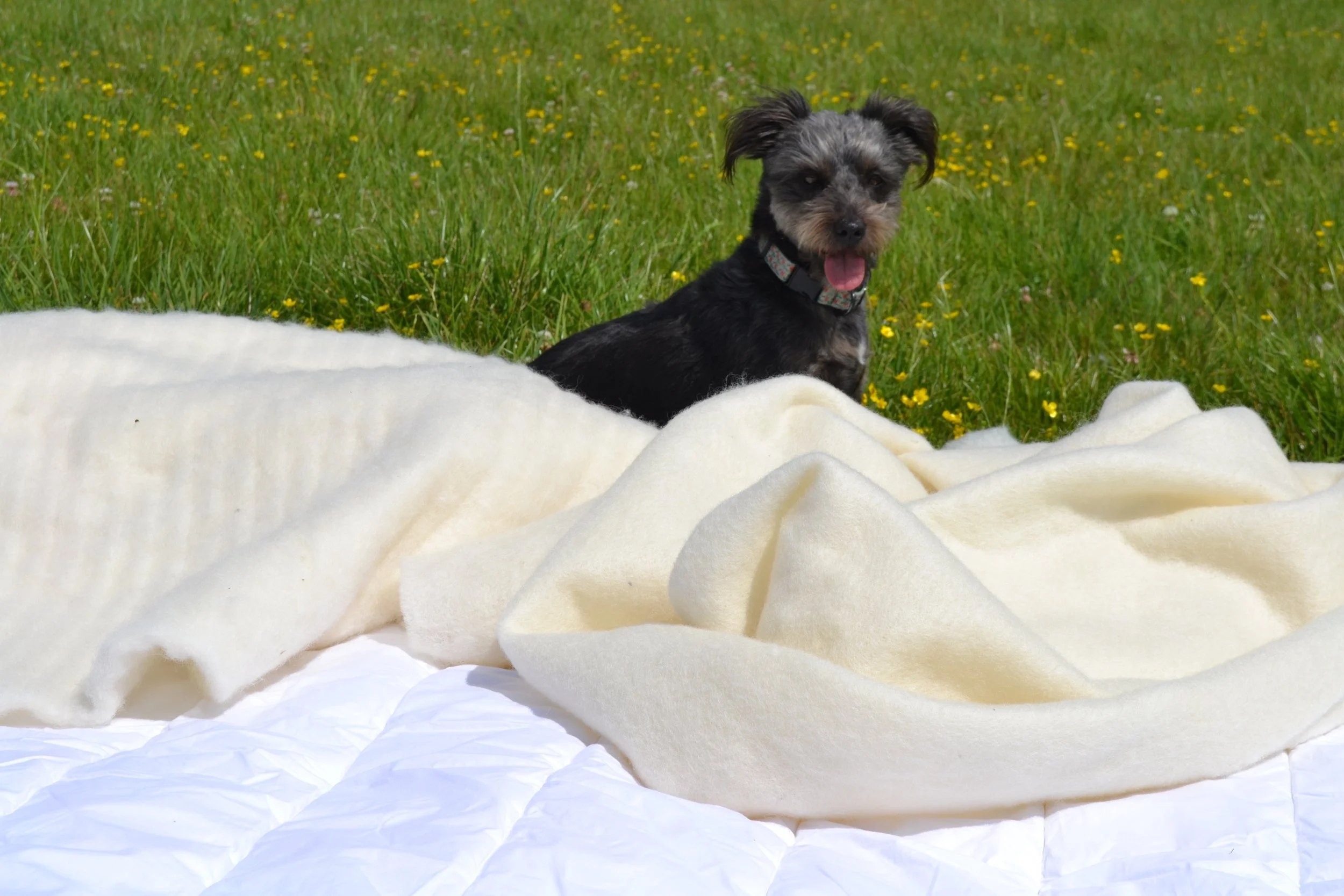
Wisewool™ WiseLayer™ Direct Replacement for Dacron, Tetron and Polyester wadding
Dacron, Tetron and polyester waddings have long been standard in mattresses and bedding. This article explains how Wisewool™ WiseLayer™ replaces polyester layers from 200gsm to 1000gsm delivering proven resilience, safety and comfort with no design changes.
WiseLayer™ Storage Guide
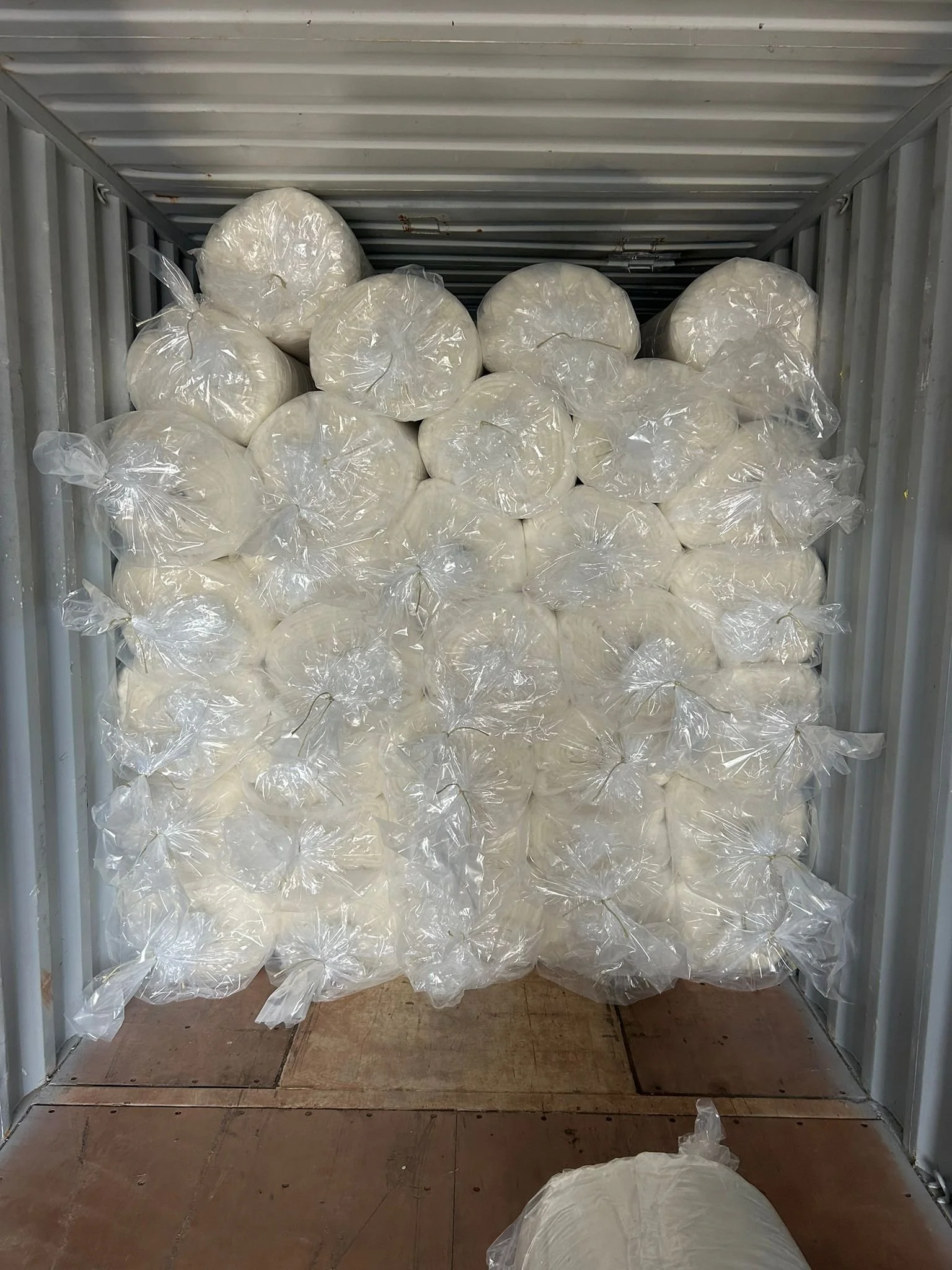
Wool can look like it’s “sweating” in the bag, especially in hot weather. Don’t worry. This guide explains what’s happening (science, not spoilage) and gives you clear, quick rules for storing WiseLayer™ rolls so they stay pristine, dry to the touch and ready to install.
Wisewool™ Glossary
Welcome to the Wisewool™ Wool Glossary, your quick, no-nonsense guide to wool terms that cuts through industry jargon. From "micron" to "lanolin", these plain-English definitions will help you choose, craft or sell wool with confidence.
The Wisewool™ Supply Chain: tracability from Farm to Final Product
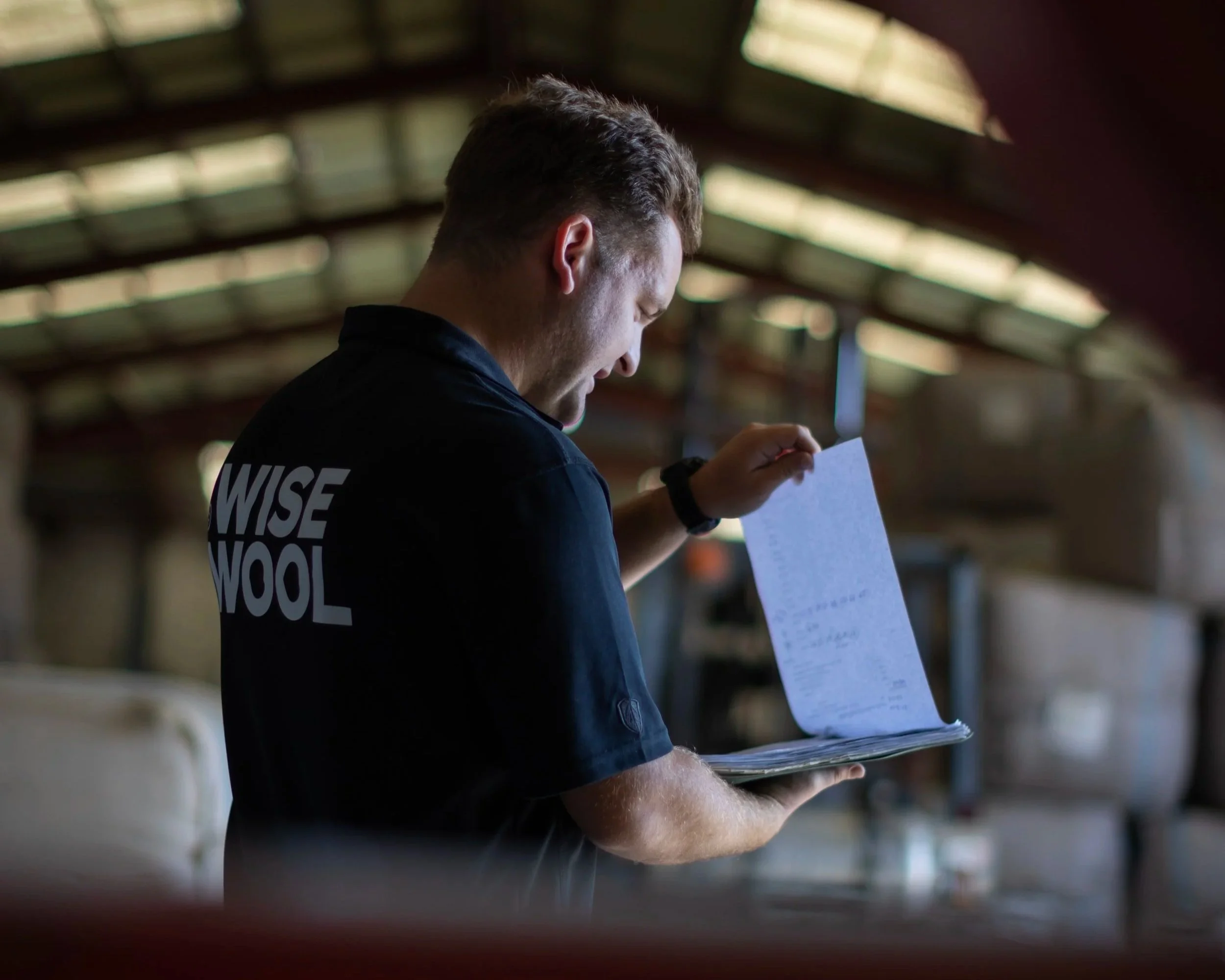
Wisewool™ is powered by fifth-generation family stewards of strong wool at every stage. Discover our meticulous approach from ethical farming, grading and scouring, to processing and product delivery with full traceability and unmatched fibre integrity.
Bedding Makers Review Wisewool™
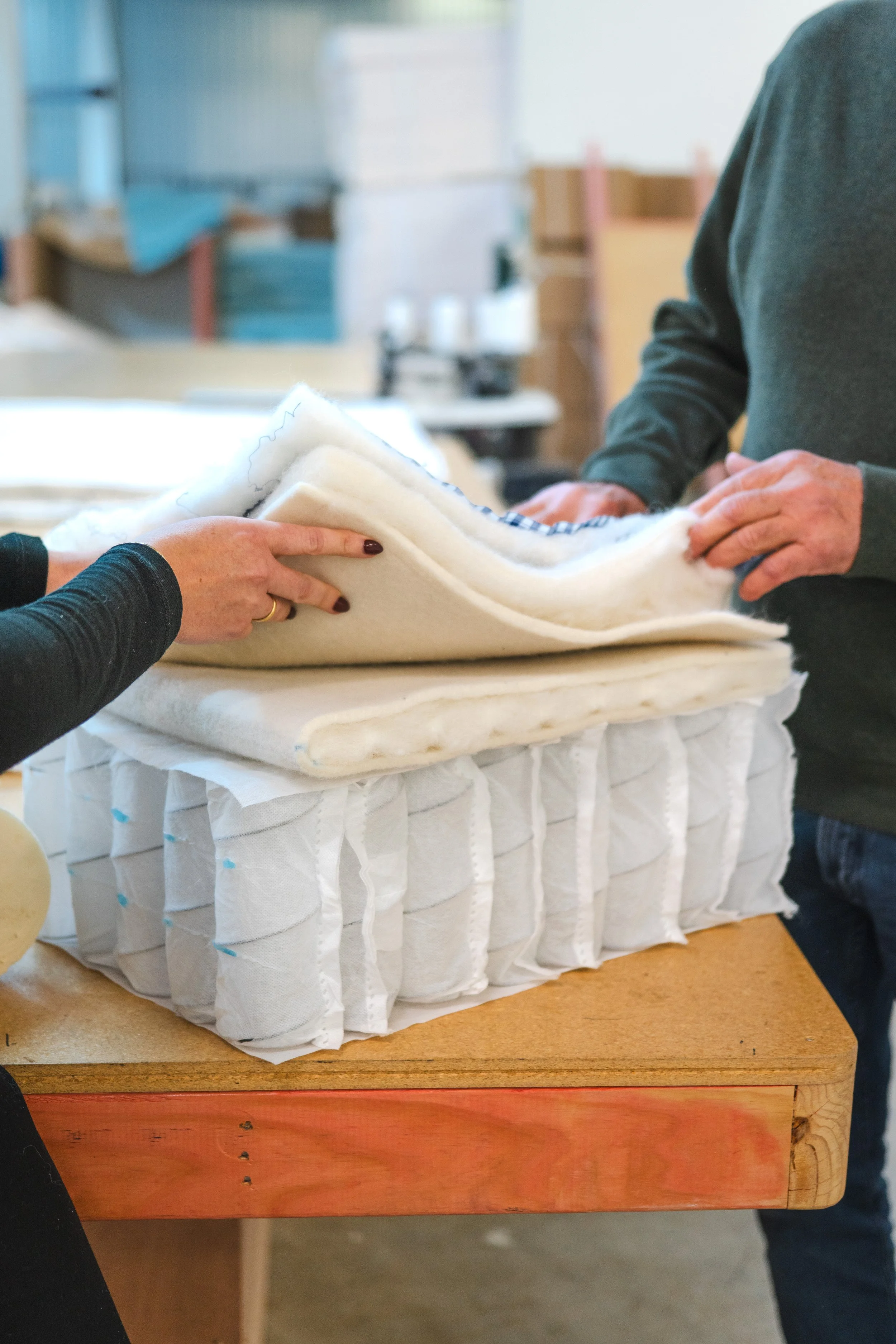
Bedding makers across the world are choosing Wisewool™ for its mindfully engineered strong wool. Here’s what they say about its comfort, durability and sustainability.
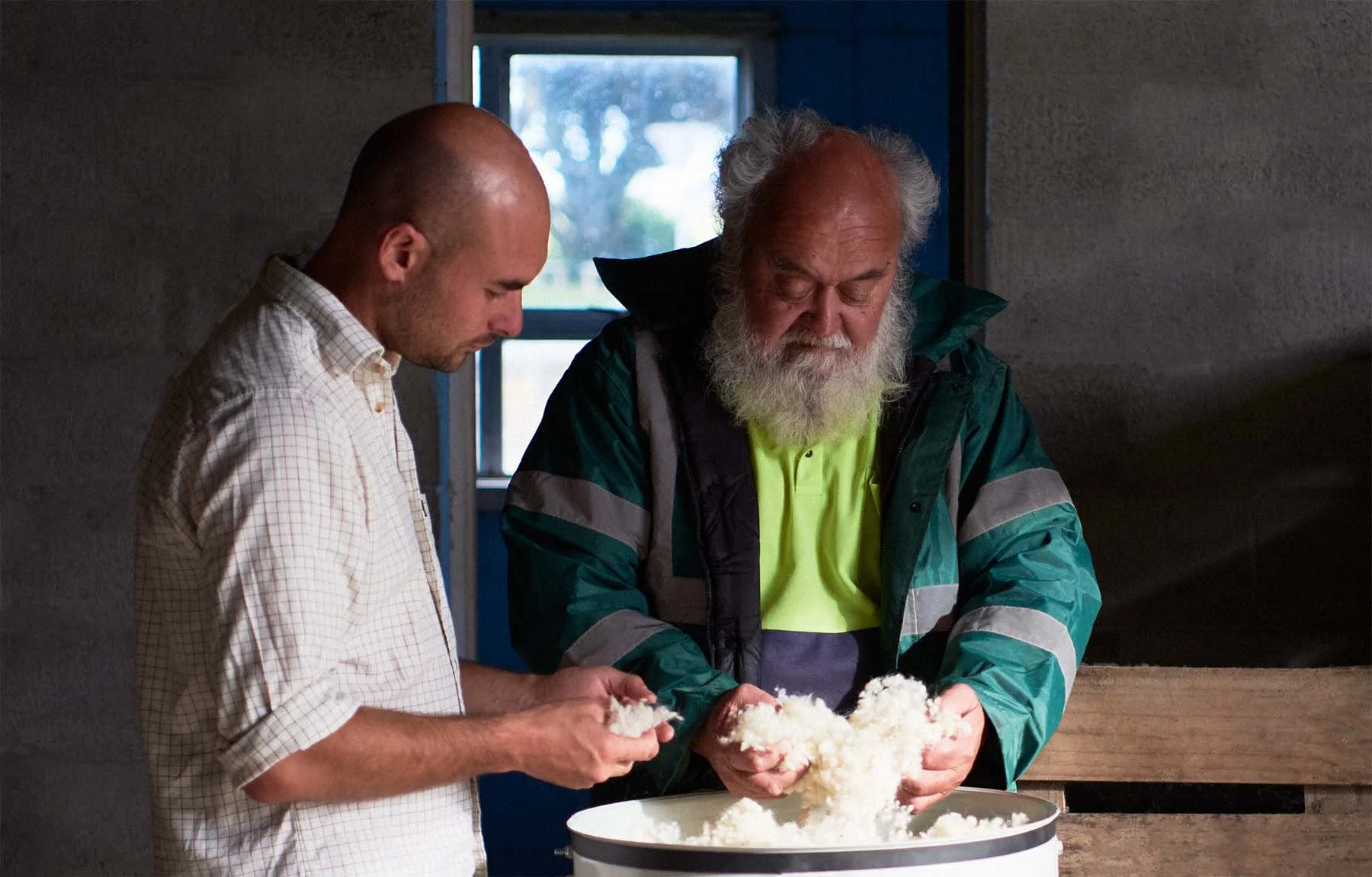
The right v the wrong way to process wool
Wool is naturally breathable, resilient, fire-resistant and biodegradable, but harsh processing can strip it of these strengths, which turns the wool into a synthetic fibre. Discover why retaining wool’s innate properties is crucial for a superior, more sustainable product.
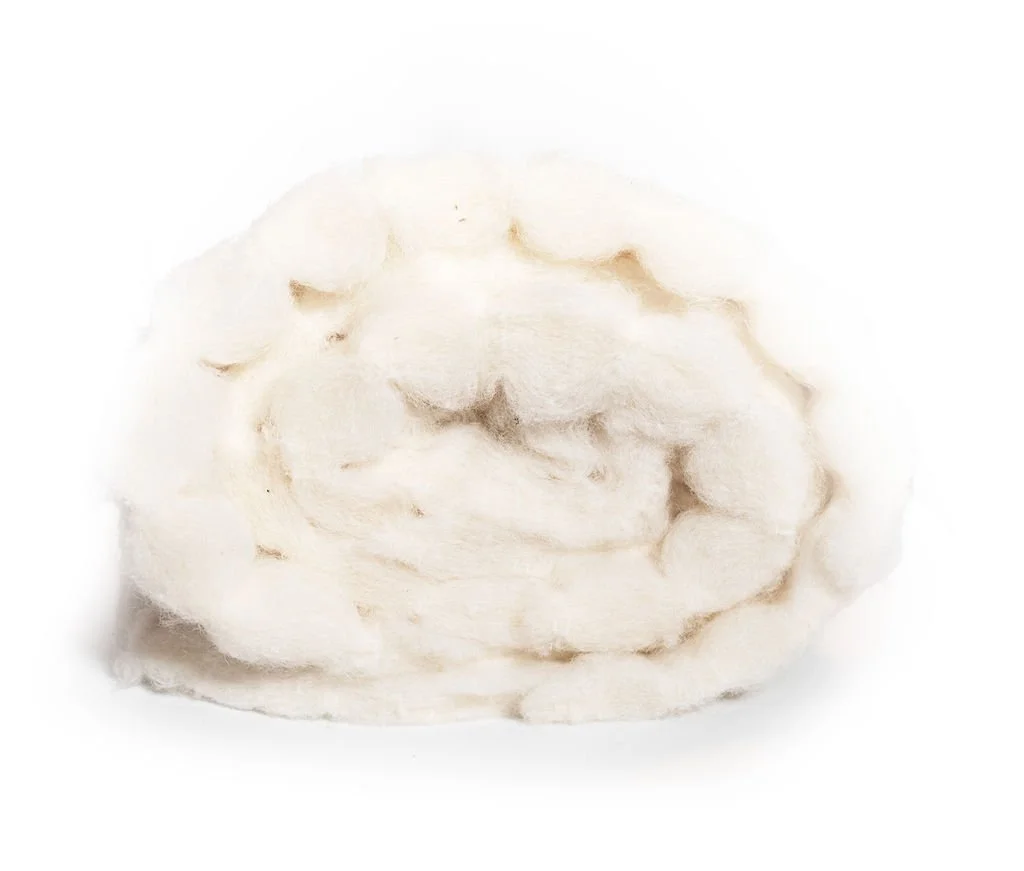
Can Wisewool™ Deliver Contour Like Wool/Poly Blends?
Worried a wool/poly blend will contour better? WiseLayer™ holds its shape with natural loft and resilience, giving you definition without compromise. Read this short article to find out more.
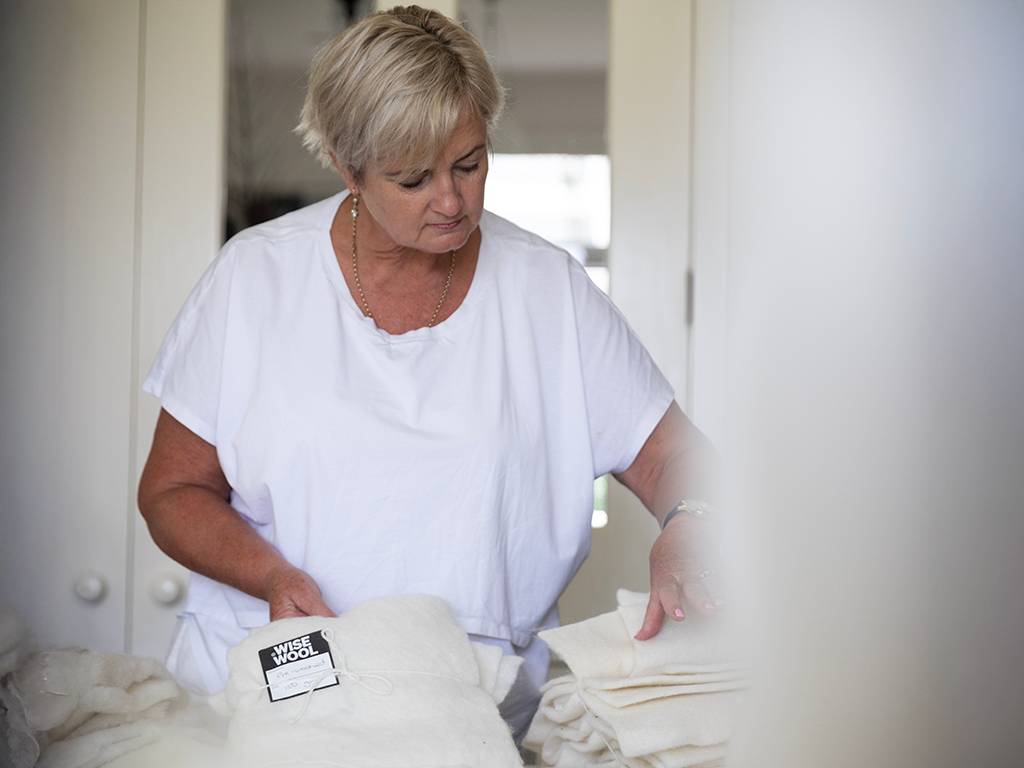
How to care for wisewool™
When incorporating Wisewool™ into bedding, clothing and furniture products, it's essential to follow proper care practices to preserve the wool’s natural performance, comfort, and longevity.
This guide provides clear instructions for manufacturers and consumers using WiseLayer™ and WiseFill™.
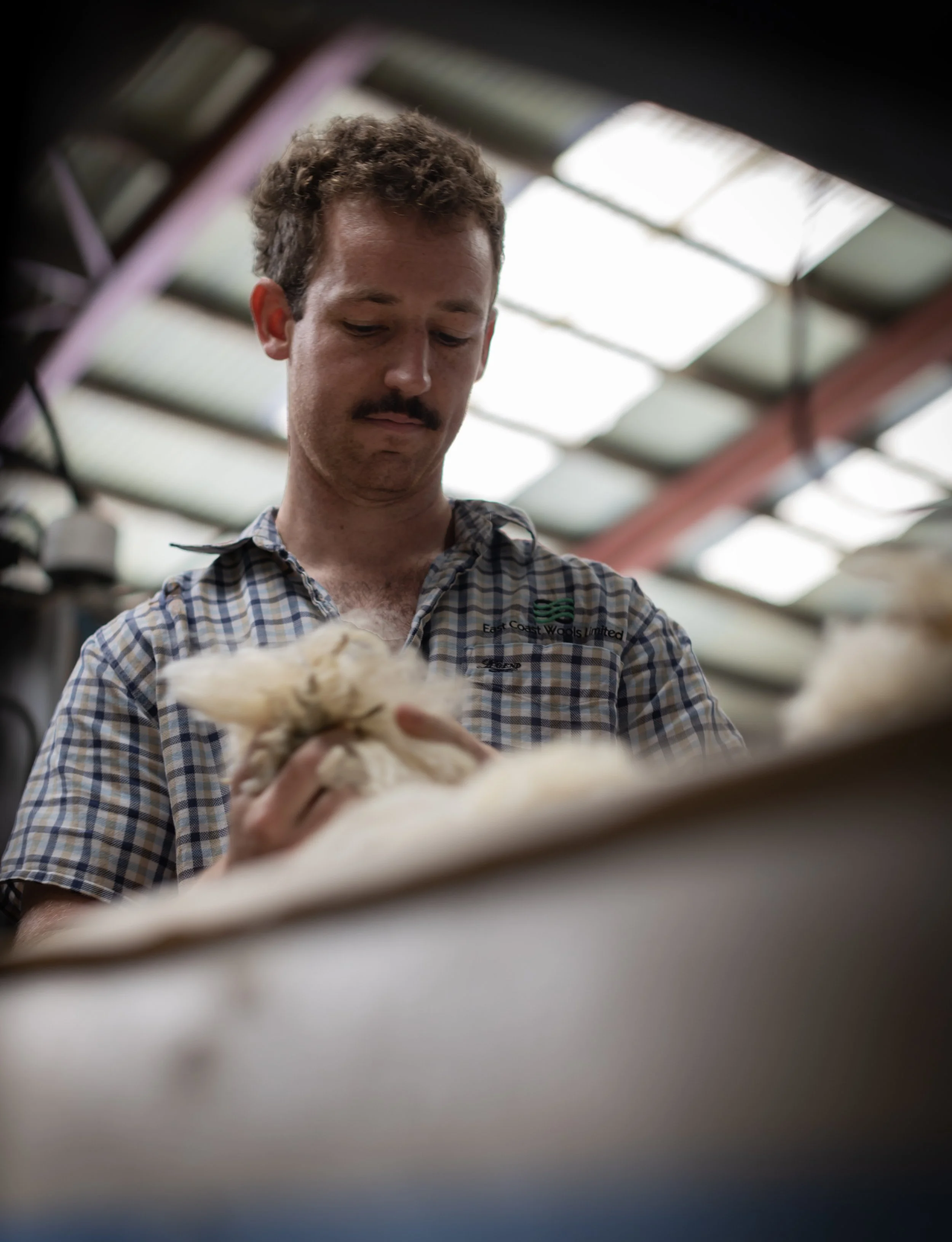
Wisewool™ vs Organic Wool: What’s the Difference?
Organic certification isn’t the only way to ensure wool is ethical and natural. Wisewool™ takes a different approach by prioritising fibre performance, sustainability and processing integrity from the ground up.

How wool and latex futon mattresses are made
Curious about how wool and latex futon mattresses are made? This guide explains the full process, from material sourcing to final assembly, focusing on sustainability and comfort.

How Long Does Wool Last in a Mattress?
How long does wool actually last inside a mattress? This guide explores the durability of wool fibres—especially strong wool—and how they perform over years of daily use.

How Wisewool Controls Vegetable Matter in Strong Wool
Vegetable matter (VM) naturally occurs in raw wool, but Wisewool™ meticulously controls it to ensure exceptional quality. Learn about our ultra-low VM standards.

Is wool really sustainable?
Wool isn’t just Grandma’s favourite knitting material, —it’s an eco-friendly superstar. Learn how wool benefits the planet, from renewability to biodegradability, while offering unmatched versatility and durability.

What Is Needle-Punched Wool Blanketing? Everything You Need to Know
Needle-punched blanketing is where natural wool becomes engineered performance. Discover what it is, how it’s made, and why strong wool takes it to the next level.

Is All Needle-Punched Wool Blanketing the Same? Spot Quality & Choose Wisely
Ever wondered why some “wool” products go flat while others stay resilient for years? Discover the truth about needle-punched wool from fibre quality and GSM to needling density. This quick guide equips you with the know-how to pick wool blanketing that’s natural, durable, and made to last.

What Is Vegetable Matter in Wool and Why It's a Good Sign
Vegetable matter in wool isn’t a defect; it is evidence of ethical farming and minimal processing. Learn what it is, why it matters, and how it supports a healthier wool ecosystem.
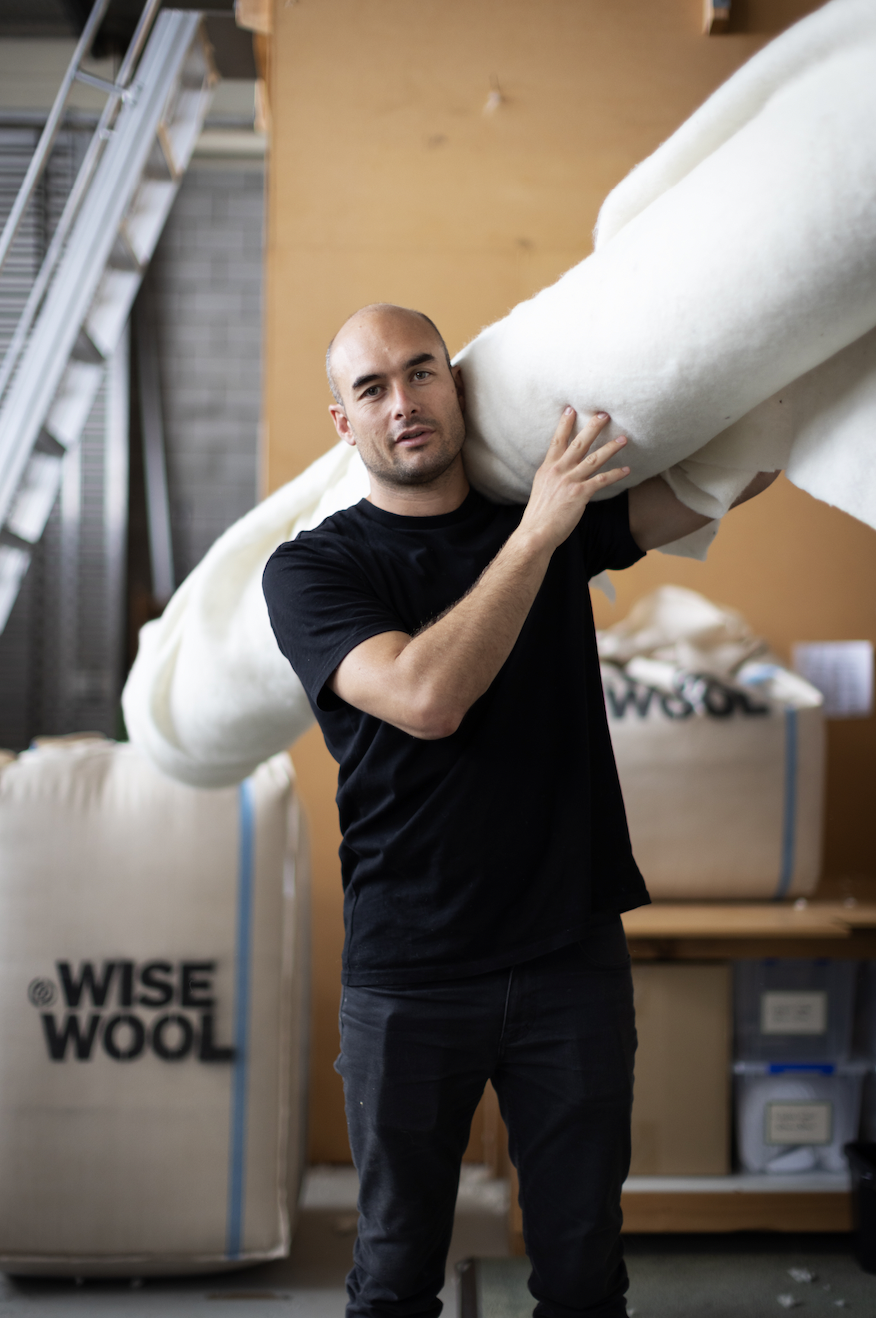
What Is Wool Scouring? A Deep Dive into the First Step of Wool Processing
Before wool becomes the beautiful, natural fibre you know and love, it undergoes a crucial cleansing process called scouring. Here’s what happens and why it matters.